
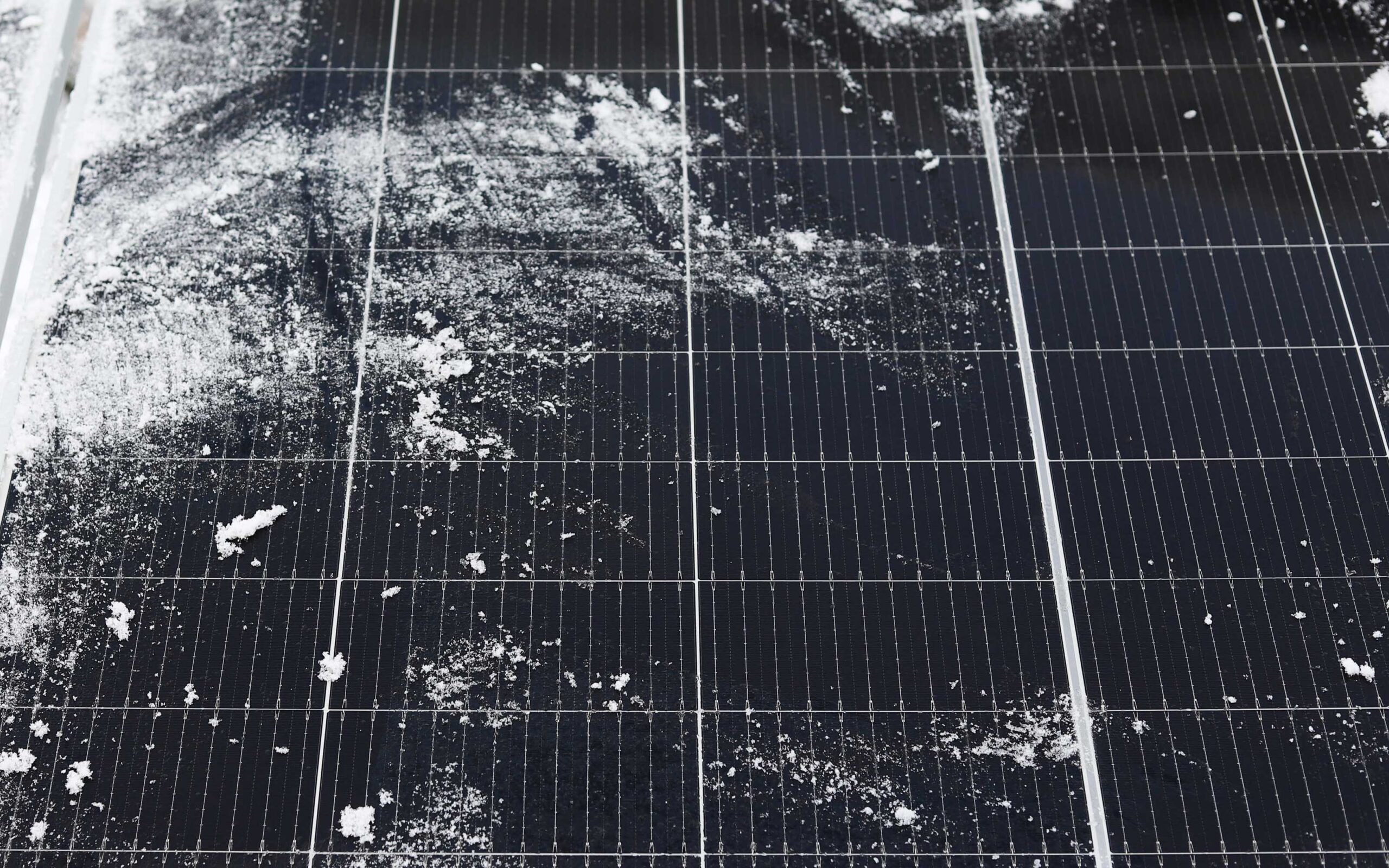
Yes, going solar in winter in Tucson is a smart move for most homeowners. Panels keep producing power through the cooler months, and lower temperatures help them run efficiently. Starting the process in November or December also gives you time to finish design, permits, and installation before the hottest, most expensive months of the year.
The real advantage of going solar in winter in Tucson is timing. Instead of reacting to a painful July bill, you can plan your system calmly in winter and have it producing when your air conditioner needs it most.
Do Solar Panels Work Well Enough for Going Solar in Winter in Tucson?
Solar panels produce electricity year-round in Tucson because the city gets plenty of sunshine even in December and January. Winter output is lower than summer output, but it’s far from poor.
Two things change in winter. Days are shorter, and the sun travels a lower path across the sky. Both reduce how much sunlight your panels receive over a full day.
At the same time, cooler air works in your favor. Solar panels convert sunlight more efficiently when they aren’t baking in 110 degree heat. So a clear, crisp January afternoon can be a very productive time for your system, even if the total for the day is lower than in June.
What Affects Solar Panel Performance in Winter?
A handful of factors shape how much power your system makes during a Tucson winter:
- Shorter daylight hours: Fewer hours of sun mean less total production per day.
- Lower sun angle: The sun’s winter path changes how directly light hits your panels.
- Cooler temperatures: Lower panel temperatures improve conversion efficiency.
- Clouds and winter storms: Overcast days reduce output, though panels still produce some power from available daylight.
- Roof direction, tilt, and shading: A tree or neighboring building that doesn’t shade your roof in summer may cast a longer shadow in winter.
The important distinction is between efficiency and total production. Panels are more efficient in winter, but summer’s longer days still produce more total electricity. A well-designed system accounts for both.
Why Is Going Solar in Winter in Tucson a Smart Time to Start?
The biggest reason is that you can finish the whole process before summer electricity demand climbs. Going solar involves more than placing panels on your roof. It includes reviewing your bills, designing the system, permitting, installation, inspections, and TEP’s interconnection approval.
Going solar in winter in Tucson gives you room to work through each step without feeling rushed.
How Does a 30 to 45 Day Timeline Make Going Solar in Winter in Tucson Easier?
Solar Pros AZ typically completes projects in 30 to 45 days from the time you decide to move forward, including permitting and inspections. The physical installation itself usually takes just several days. Actual timing can vary with project complexity, permit schedules, and utility approvals.
That means a homeowner who starts in November or December can usually have a working system well before Tucson’s cooling season kicks in. Because air conditioning makes up such a large share of summer electricity use here, having solar online by spring is a real advantage.
What Are the Benefits of Installing Solar Before Summer?
Starting your project in winter can help you in a few practical ways:
- Better planning: You can review a full year of usage before peak cooling season.
- Time to compare: There’s room to weigh system size, financing, and battery options without pressure.
- Summer readiness: Your system can be producing before the highest bills of the year arrive.
- Fewer rushed decisions: You won’t be making a big purchase in response to one painful bill.
Is Winter Solar Production Enough to Make Solar Worth It in Arizona?
Winter production is only one piece of the picture. Solar is evaluated on what a system produces over a full year, not in a single month.
Your system will make less electricity in December than in May. What matters is the annual total, how much of that power your home uses directly, and how TEP credits the extra power you send to the grid. TEP uses net billing, which credits exported power at a rate lower than the retail price you pay. Using more of your own solar power on site usually improves your savings.
Many Solar Pros AZ customers save around 33% on their electricity costs, though savings vary by home size, usage, and system size.
If you’d like to see how production changes month by month at a Tucson address, NREL’s PVWatts calculator gives a free estimate based on local weather data.
Should You Size a Solar System for Summer or Winter Usage?
Size it for your whole year. In Tucson, summer air conditioning can push usage far above winter levels. A system designed only around a low winter bill will likely fall short when the heat arrives.
A good solar estimate looks at:
- Your monthly electricity use over the past 12 months
- How much your usage climbs in summer
- Roof orientation and available space
- Expected annual production
- Your TEP rate plan and the export credit rate
- Any changes coming, like an electric vehicle or a pool
The goal is a system that fits your home’s real energy profile, not the largest system that will fit on the roof. Our residential solar installation process starts with exactly this kind of review.
Should You Check Your Solar Panels After Monsoon Season?
Late fall and early winter are a good time to look your panels over after Arizona’s monsoon season. Monsoon winds and dust storms can leave a film of dust or bits of debris on the glass, which reduces how much sunlight reaches the cells.
Some dust is normal in the desert, and winter rain often rinses a good share of it away. Still, it’s worth a quick look and a check of your monitoring app.
How Can You Tell if Dust Is Hurting Production?
Compare your monitoring data with what you’d expect for the season. Keep in mind that a winter dip in production is normal because of shorter days. It doesn’t automatically mean your panels are dirty. A sudden drop on clear days, or visible buildup, is a better sign that cleaning or an inspection could help.
What Should You Do Before Cleaning Solar Panels?
Before you arrange any cleaning, take these steps:
- Look for visible dust or debris from the ground or another safe spot.
- Check your monitoring app for unusual drops in production.
- See whether recent rain has already rinsed the panels.
- Follow your panel manufacturer’s maintenance guidance.
- Call a qualified solar professional if cleaning or an inspection is needed.
Please don’t climb onto the roof or use abrasive cleaners. Rooftop electrical equipment should be handled carefully.
Is Going Solar in Winter in Tucson Better Than Waiting Until Spring?
If you want solar working before next summer, starting in winter is usually more practical than waiting. Each month you wait shortens the window for design, permitting, installation, inspection, and TEP approval before the heat arrives.
The right time still depends on your budget, your roof’s condition, and how ready you feel to invest. It’s also worth knowing that waiting for a federal incentive won’t help. The 30% federal residential solar tax credit is no longer available for systems installed after December 31, 2025. Homeowners who own their system may still qualify for the Arizona Credit for Solar Energy Devices, worth 25% of system cost up to $1,000, with up to five years of carryforward.
What Should You Review Before Going Solar in Winter?
Ask yourself these questions before moving forward:
- How much electricity does your home use in a year?
- How high do your summer bills get?
- Is your roof in good shape for solar, or will it need work first?
- What system size matches your energy needs?
- Would a battery add enough value for your household?
Our guide to solar panels in Arizona covers more of the local factors worth considering.
Can Going Solar in Winter Help Lower Next Summer’s TEP Bills?
Solar can help if your system is installed, approved, and producing before summer. It supplies power for your home during sunny hours, which is exactly when Tucson air conditioners work hardest. That reduces how much electricity you buy from TEP.
Solar usually won’t erase your entire bill. Fixed monthly charges, power you buy at night, and TEP’s export credit rate all affect the final number. If your household uses a lot of power after sunset, a battery can store extra daytime solar for evening use.
How Can Solar Pros AZ Help You Get Ready for Summer?
Solar Pros is a licensed, bonded, and insured Tucson solar installer based on W. Grant Road. We design residential systems around your real usage, using Qcells panels with SolarEdge or Enphase inverters, and we offer battery storage and system monitoring.
Every system includes a 25-year all-inclusive warranty on parts, labor, and materials, plus a 25-year roof penetration warranty. Financing is available with $0 down for most customers and payments as low as $59 a month for qualified customers.
Frequently Asked Questions
Can solar panels be installed in cold or rainy weather?
In most cases, yes. Tucson’s mild winters are well suited to installation work, though a stormy day can push the schedule back a little.
Do solar panels produce less power in winter in Tucson?
They produce less total power because days are shorter and the sun sits lower in the sky. Cooler temperatures help panels run more efficiently, though, so winter production in Tucson is still solid.
If I start going solar in winter in Tucson, will it be ready before summer?
In most cases, yes. Solar Pros projects typically take 30 to 45 days from your decision to completion, so a winter start leaves plenty of time before Tucson’s peak cooling months.
Is the federal solar tax credit still available if I go solar this winter?
No. The 30% federal credit ended for systems installed after December 31, 2025. The Arizona Credit for Solar Energy Devices is still available to homeowners who own their system.
Start Going Solar in Winter in Tucson With a Free Evaluation
If you’re thinking about going solar this winter, call Solar Pros at 520-549-6200 or request a free evaluation online. We’ll review your past year of TEP bills and show you what a right-sized system could do before summer. You can also try the See Your Solar Model tool on our homepage to preview how solar might look on your roof.