
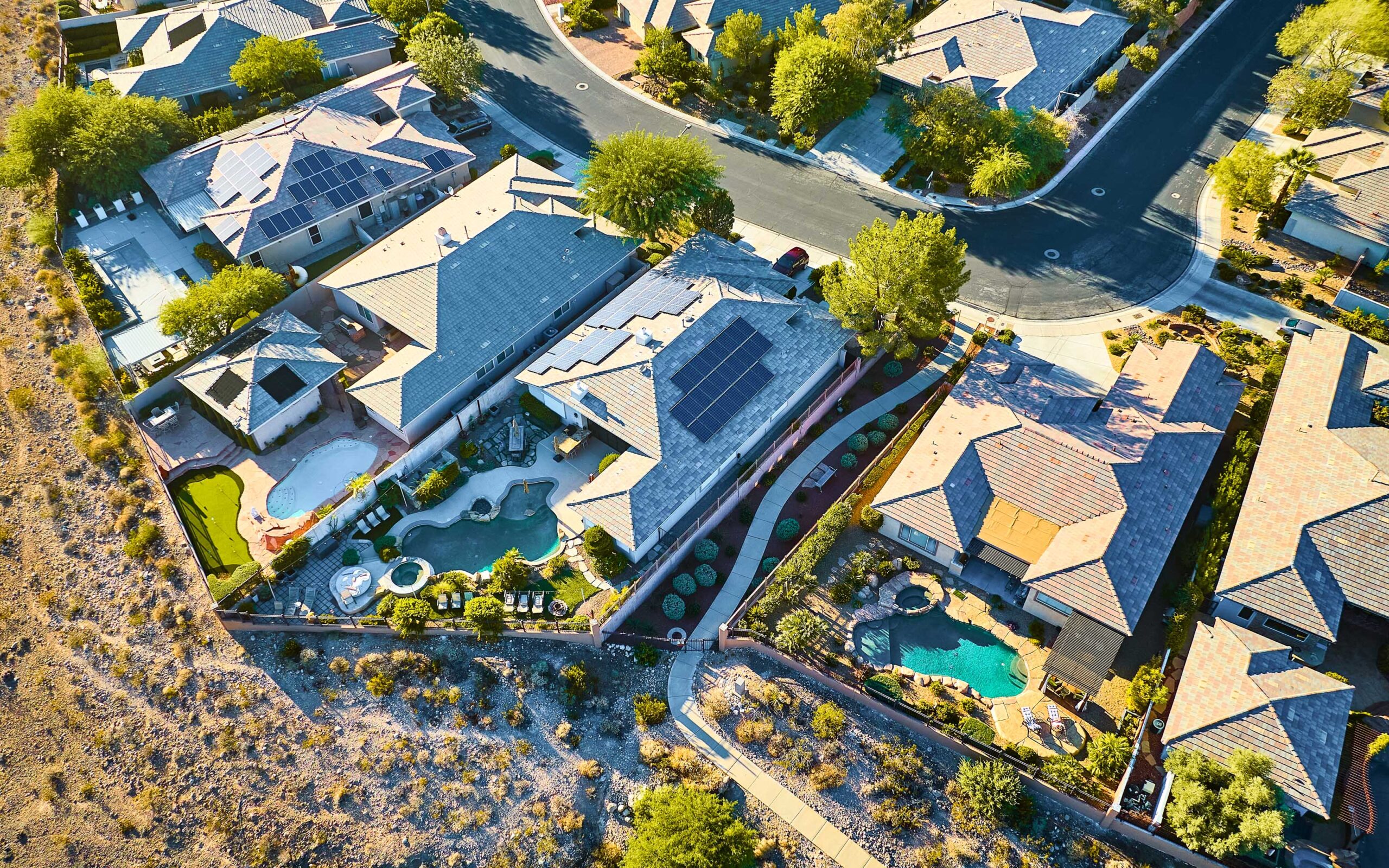
For Arizona homeowners considering solar, one of the most important questions is how long it takes for a solar panel system to pay for itself. The period of time when the electricity bill savings overcome your upfront investment is called the payback period. In Arizona, and especially in Tucson, strong sunshine, rising utility rates, and available incentives make solar one of the fastest investments to recoup through reduced electricity costs.
Understanding the payback period helps homeowners decide how solar fits into their financial and energy goals. Below is a realistic picture based on current local data and typical Arizona conditions.
What Is the Solar Panel Payback Period?
The solar panel payback period is calculated by dividing your net installation cost (after incentives) by your annual electricity savings. In plain terms, it’s the number of years it takes before your solar system has saved you as much money as you spent buying and installing it.
Example simplified formula:
Payback Period = Net System Cost ÷ Annual Savings
This timeline can range widely based on factors such as system size, electricity usage, local utility rates, and incentives. Solar Topps
Typical Payback Periods for Arizona Homeowners
Average Payback Range in Arizona
- Most Arizona homeowners experience a payback period of around 6 to 9 years when factoring in electricity savings and incentives. IQ Energy
- Some data sources show typical payback timelines ranging from 5 to 8 years, depending on system size and local utility rates. Solar Topps
Here’s why Arizona sees relatively quick payback:
- Abundant sunshine produces high solar output.
- Electricity rates in Tucson average about 17¢ per kWh, which is above the state average and increases the value of each kWh your panels produce. EnergySage
- Available incentives and tax credits reduce your upfront cost.
These factors give Arizona some of the most competitive payback timelines in the U.S.
What Payback Looks Like in Tucson
Using real Tucson utility cost data helps paint a clearer picture specific to the area where Solar Pros operates:
- The average residential electricity rate in Tucson is approximately 17¢ per kWh. EnergySage
- A typical Phoenix/Tucson-area solar installation, once installed and sized to cover most or all of your electricity needs, may produce enough energy to offset electric bills significantly within the first decade.
Based on verified local projections:
- Tucson solar systems often reach payback in roughly 8 to 11 years, depending on system size, energy use, and financing. Palmetto
- Some regional data suggests payback could be as low as about 6.9 years under optimal conditions. SolarReviews
These ps reflect current utility rates and incentive structures, including federal and state benefits available when systems are installed. Actual payback may vary, and reviewing a detailed quote for your home is recommended.
What Affects Your Solar Payback Period?
Several key factors influence how quickly your solar panel system pays for itself:
1. Your Electricity Use
Higher monthly bills mean larger annual savings once solar offsets that consumption. Homes with larger energy demand often see shorter payback timelines because they offset more expensive utility power.
2. System Size and Cost
Larger systems cost more but also generate more energy, often resulting in shorter relative payback because they offset more of your grid usage.
3. Local Utility Rates
The higher the electricity rate you pay, the more value your solar energy has. Tucson’s above-average rate in Arizona increases annual savings from solar. EnergySage
4. Incentives and Financing
Available incentives, including federal credits and potentially future Arizona incentives, reduce your upfront cost and shorten payback. The financing method (cash vs loan) also affects the timeline.
Tucson Example: Realistic Savings and Payback
To illustrate with local data:
- A solar system might cost $22,000 before incentives in Tucson. EnergySage
- After applicable tax credits and savings, your net cost could be significantly lower.
- If your solar panels reduce your annual electricity cost by $2,500 per year, a rough payback calculation would be:
$18,000 net cost ÷ $2,500 annual savings = ~7.2 years to break even
This aligns well with regional payback estimates from recent data. EnergySage
Long-Term Financial Value of Solar
After you reach your payback period, solar energy essentially becomes free electricity for the remaining lifespan of the system, which often exceeds 25 years. Over that lifetime, Tucson homeowners can expect:
- Significant long-term savings
- Protection against future utility rate increases
- Increased property value
Solar may continue producing energy and value well beyond the point where it pays for itself.
Ready to See Your Solar Payback Timeline?
Understanding the average solar panel payback period in Arizona is helpful, but the most accurate way to know how solar will perform is to look at your own home, energy usage, and local utility rates.
Solar Pros is a trusted Arizona solar installer specializing in custom solar panel systems for homes and businesses across Tucson and surrounding areas. Our team designs systems based on real utility data, roof conditions, and available incentives to help homeowners understand realistic costs, savings, and long-term value.
If you want to know how long a solar panel system could take to pay for itself at your property, contact us to request a personalized solar evaluation and payback estimate. Reach out today to get clear answers based on your home, not national averages
Frequently Asked Questions
What is the typical solar panel payback period in Arizona?
Most Arizona homeowners see their solar system pay for itself in about 6 to 9 years, depending on system size, electric rates, and incentives. IQ Energy
Does Tucson have higher utility rates than average?
Yes, Tucson’s average residential electricity rate is around 17¢ per kWh, slightly above the statewide average, making solar savings more impactful. EnergySage
Will solar still pay off if utility rates change?
Yes, solar payback generally improves as utility rates rise, because the value of the energy your panels produce increases relative to grid power.
Does financing affect the payback period?
Yes, paying cash typically results in the shortest payback period. Using a loan increases payback time slightly due to interest, although monthly savings often begin immediately.
Do incentives shorten payback?
Absolutely. Federal tax credits and state incentives reduce initial cost, which directly shortens your payback period.