
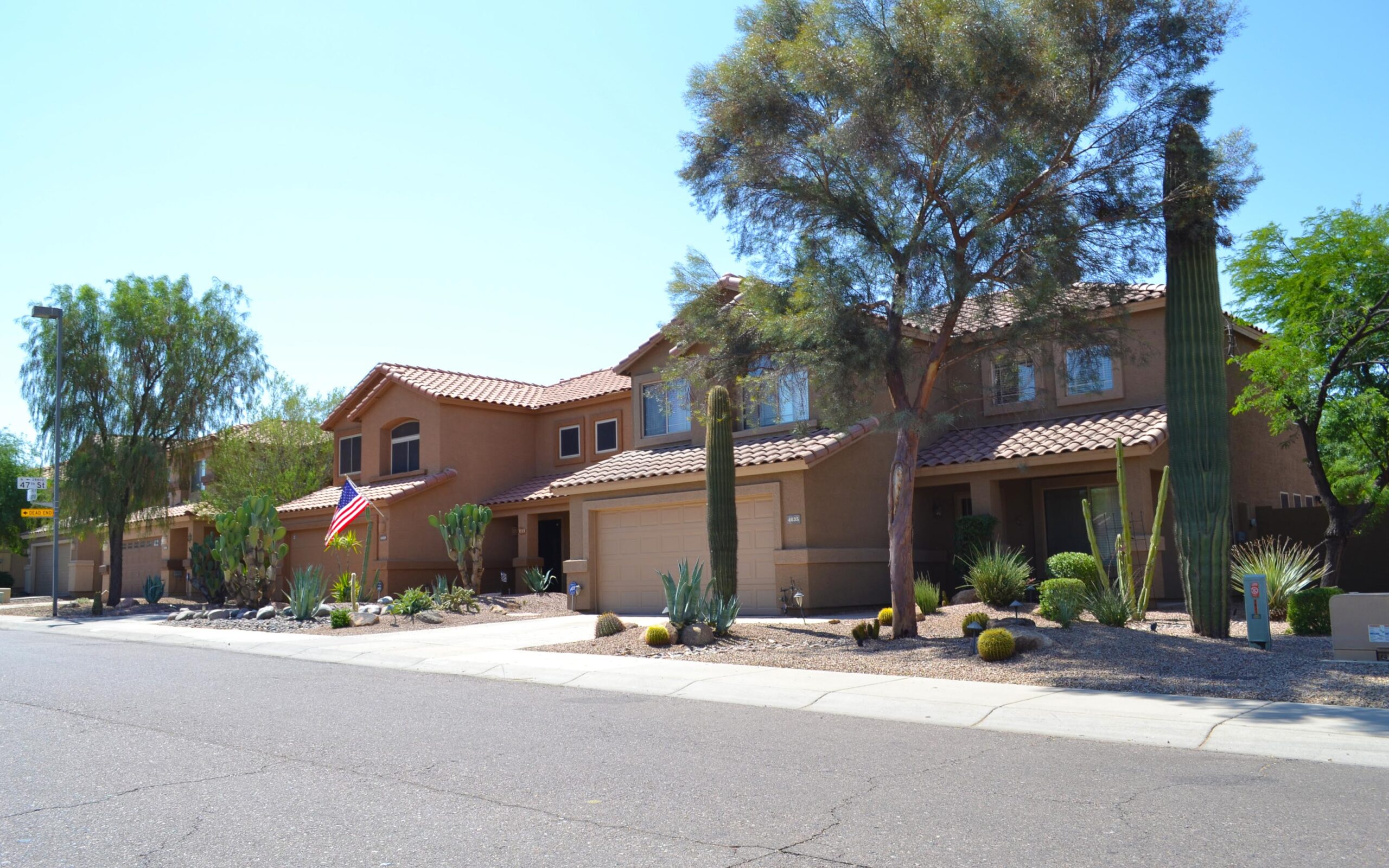
Arizona is one of the best locations in the country for solar energy due to its long, bright summers and more than 280 sunny days per year. Even with the state’s ideal climate, homeowners often wonder whether their specific roof is suitable for solar panels. The reality is that most Tucson and Arizona homes can support a solar system, but certain conditions influence installation, efficiency, and long-term performance.
This guide explains the main roof factors that matter, how Arizona’s climate affects solar production, and what you can expect from a professional evaluation.
What Roof Factors Matter Most When Installing Solar Panels in Arizona?
Roof Age and Condition
Solar panels typically last 25 to 30 years, so your roof should be in good condition before installation. A roof that is under 20 years old, has no significant leaks, and shows no structural sagging is generally considered ready. If the roof will soon need repairs or replacement, it is more cost-effective to complete that work before installing solar.
Roofing Materials That Work Well With Solar
Most Arizona roof types are compatible with solar panels. Asphalt shingles, concrete tile, clay tile, metal roofing, and even flat roofs with foam coatings can support a solar system. Tile roofs may require specialized mounting hardware, but experienced installers handle this without difficulty.
Slope and Orientation
The angle and direction of your roof influence how much sunlight your panels receive. South-facing and southwest-facing roofs offer the strongest performance in Arizona. East and west-oriented roofs still produce solid energy output due to the state’s intense sunlight. Most homes meet the recommended slope range without modifications.
Usable Roof Space
Solar systems require open, unshaded roofing areas. Even if your roof has multiple faces, skylights, or vents, installers can usually design a layout that maximizes space without compromising performance.
How Much Shade Is Too Much for Solar in Arizona?
Shade is one of the few factors that can significantly reduce solar production. Arizona receives powerful sun year-round, but trees, nearby structures, and roof obstructions can cast shadows during the day. A roof is usually suitable for solar if it receives several hours of clear sunlight during peak afternoon times.
If shade is affecting only a small portion of the roof, the system can still perform well. Installers may use microinverters, adjust panel placement, or recommend trimming branches to improve sunlight access. Shaded roofs are not automatically disqualified, but they require careful planning.
Does Arizona’s Heat Affect Solar Performance?
High temperatures can slightly reduce panel efficiency, but modern solar technology is designed to handle Arizona’s extreme heat. Panels naturally create airflow beneath them, which helps regulate temperature and decreases heat transfer into the home. Even during summer, solar systems in Tucson maintain strong energy production, and many homeowners appreciate the cooling effect the panels create.
What Happens During a Professional Solar Roof Evaluation?
When you contact Solar Pros, their team performs a detailed assessment of your roof to confirm whether it is a good candidate for solar. They inspect the roof’s condition, structure, angle, shade patterns, and available space. They also evaluate electrical panel capacity and review your household energy usage so your system can be sized correctly.
After the assessment, you receive a custom design that outlines expected energy output, recommended equipment, and available Arizona solar incentives. Solar Pros handles engineering, permitting, installation, and maintenance, which allows homeowners to move through the entire process with ease.
Is Solar Still Worth It Even If My Roof Is Not Perfect?
Yes. Solar is still one of the strongest investments for Arizona homeowners because of high electricity rates, abundant sunlight, and generous state and federal tax incentives. Even roofs that are not perfectly oriented can achieve excellent long-term savings.
When a roof truly cannot support solar, homeowners can consider a ground-mounted system. These systems offer excellent flexibility, often produce even higher output, and eliminate roof-related concerns.
FAQs
1. How do I know if my roof can hold solar panels?
An installer checks your roof’s age, materials, structure, and condition to confirm whether it meets the weight and mounting requirements.
2. Can I install solar on an older roof?
Yes, but if the roof is nearing the end of its lifespan, replacing it first is the smartest financial choice.
3. Will the installation damage my roof?
No. Professional installers use weatherproof mounting systems that are sealed to protect your home.
4. What if my roof has too much shade?
Strategic design, technology like microinverters, or selective tree trimming can often resolve shade concerns.
5. How long does a roof evaluation take?
Most assessments take less than an hour and include a custom system design tailored to your home.